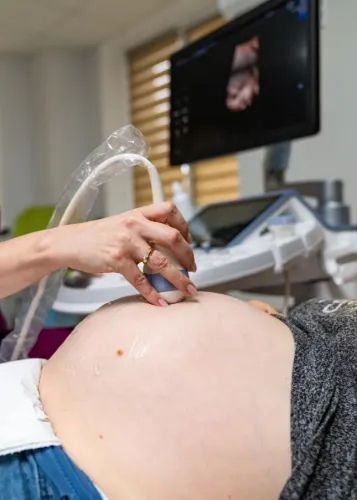

Comprehensive maternity care is a connected plan that starts before conception or at the first positive pregnancy test and continues through delivery and postpartum recovery. You should be able to identify the visits, tests, decisions, daily guidance and urgent-care arrangements that belong in that plan before choosing where to receive care.
Key takeaways
- Start folic acid 400 micrograms daily at least one month before conception.
- Keep every antenatal appointment so your blood pressure, urine and baby’s growth are checked.
- Discuss screening and ultrasound choices by trimester with your maternity clinician.
- Seek urgent care for heavy bleeding, severe headache, reduced movements or leaking fluid.
From preconception to the first pregnancy assessment
Comprehensive maternity care starts before conception when possible. Preconception care reviews medical conditions, previous pregnancies, medicines, vaccinations, nutrition, smoking, alcohol, genetic history and fertility treatment. Begin folic acid 400 micrograms daily at least one month before conception and continue through early pregnancy.
A clinician should prescribe a higher dose after a previous pregnancy affected by a neural-tube defect.
- Review conditions such as diabetes, hypertension, thyroid disease, epilepsy and anaemia; adjust medicines before conception rather than stopping them abruptly.
- Check vaccination status. MMR and varicella vaccines belong before pregnancy or after delivery, while influenza and COVID-19 vaccination are considered during pregnancy when indicated.
- Discuss family history, carrier screening, inherited disorders and pregnancy risks. After assisted reproduction, plan accurate dating, confirmation of fetal number and counselling about risks; assisted reproduction alone does not require a caesarean birth.
- Do not start low-dose aspirin on your own. A clinician may recommend 81 mg daily after 12 weeks, preferably before 16 weeks, when pre-eclampsia risk is high.
After your first positive pregnancy test, arrange an assessment promptly. The clinician confirms the pregnancy, estimates gestational age from the last menstrual period or ultrasound, checks symptoms and ectopic-pregnancy warning signs, and records blood pressure, weight and medical, obstetric and medication history.
Initial testing commonly includes blood group and Rh factor, complete blood count, HIV, hepatitis B, syphilis and urine testing, with thyroid testing when indicated. Ask how your risk affects the visit schedule and delivery-site facilities.
The antenatal schedule and what each visit checks
Start antenatal care in the first 12 weeks, then follow the WHO eight antenatal contacts: around 20, 26, 30, 34, 36, 38 and 40 weeks. The exact antenatal visit schedule changes if you have hypertension, diabetes, bleeding, reduced fetal growth, twins or another risk.
- First visit, up to 12 weeks: record your medical, surgical and obstetric history, medicines, allergies, mental health, blood pressure, weight and pregnancy dating. Collect blood group and Rh type, complete blood count, urine testing, and screening for HIV, syphilis and hepatitis B. After assisted reproduction, confirm the fetal number and accurate gestational age.
- Around 20 weeks: check blood pressure, weight gain in pregnancy, urine protein, symptoms and fetal heart rate. Review the anatomy ultrasound and assess placental location.
- At 26 and 30 weeks: measure fundal height, assess fetal growth and movements, and review blood pressure, weight, urine protein and warning symptoms. Arrange gestational-diabetes screening at 24–28 weeks and repeat blood tests when indicated.
- At 34 and 36 weeks: reassess growth, fetal heart rate, movements and fetal position. Discuss birth planning, warning signs and Group B Streptococcus screening at 35–37 weeks where it is used.
- At 38 and 40 weeks: check blood pressure, symptoms, fetal position, growth and wellbeing, then agree on monitoring or induction if pregnancy continues.
At every contact, ask about headache, vision changes, bleeding, fluid loss, contractions and reduced movements; these answers can change the plan immediately.
Tests, screening and ultrasound decisions by trimester
At the booking assessment, test results establish your baseline and identify risks that change follow-up. A complete blood count detects anaemia and platelet problems; blood group and Rh factor identify the need for Rh immunoglobulin planning; HIV, hepatitis B and syphilis screening guide treatment and newborn protection. Urine testing can show infection, glucose or protein.
| Trimester | Tests and scans | What each can show |
|---|---|---|
| First | Urine culture or dipstick; thyroid testing when indicated; nuchal translucency scan at about 11–14 weeks; cell-free DNA screening from about 10 weeks | Urine infection, protein or glucose; thyroid dysfunction; early markers linked with chromosomal conditions and some structural problems; estimated chance of selected chromosomal conditions |
| Second | Anatomy ultrasound at 18–22 weeks; glucose screening at 24–28 weeks; repeat complete blood count when indicated; amniocentesis when diagnostic testing is chosen | Fetal anatomy, growth, heartbeat and placental location; gestational diabetes; developing anaemia; definitive chromosome or genetic testing for conditions included in the test |
| Third | Repeat blood count or infection tests when indicated; urine checks; Group B Streptococcus swab at 35–37 weeks where used; targeted growth or Doppler ultrasound when clinically indicated | Anaemia, infection, protein or glucose; newborn exposure risk during labour; growth, blood flow, fluid volume or placental concerns |
Screening estimates risk; it does not diagnose disease. A positive cell-free DNA result needs genetic counselling and an offer of chorionic-villus sampling or amniocentesis. A normal anatomy scan cannot exclude every structural or genetic condition.
Preventive care and safe daily choices during pregnancy
A safe pregnancy plan combines preventive treatment with practical decisions made around your health, job and risk factors. Take folic acid 400 micrograms daily from at least one month before conception through early pregnancy; your clinician may prescribe a higher dose after a neural-tube defect pregnancy.
Review iron, calcium and vitamin D during pregnancy rather than starting high-dose products yourself. Low-dose aspirin is for selected pre-eclampsia risks, not routine prevention.
- Vaccination: Get inactivated influenza and recommended COVID-19 vaccines. Receive the Tdap vaccine in pregnancy during 27–36 weeks, preferably in that window; avoid live MMR and varicella vaccines until after delivery unless your clinician advises otherwise.
- Blood protection: If you are Rh-negative and unsensitised, ask when Rh immunoglobulin is due, including after bleeding, abdominal injury, invasive procedures or birth.
- Food and activity: Eat protein, vegetables, fruit, whole grains and pasteurised foods; avoid alcohol, raw or undercooked animal products and high-mercury fish. Do moderate activity such as walking unless restricted, and stop for pain, bleeding, dizziness or breathlessness. Complete gestational diabetes screening at 24–28 weeks, or earlier if advised.
- Medicines and work: Check every prescription, over-the-counter drug and herbal product before use. Request breaks, hydration, safe lifting limits and protection from radiation, toxic chemicals, infection and excessive heat.
- Sleep, travel and care: Sleep on your side when comfortable, wear a lap belt below the abdomen, plan access to medical care, maintain dental check-ups and hygiene, and discuss sex if bleeding, fluid leakage, pain or placenta problems occur.
Planning delivery, recognising emergencies and recovering after birth
Match the delivery plan to your medical history, pregnancy findings and the hospital’s emergency capacity—not preference alone. A planned cesarean at 39 weeks is the minimum timing for maternal request in an otherwise uncomplicated pregnancy; counselling should cover longer recovery and future risks, including placenta previa, placenta accreta spectrum and hysterectomy.
1. Ask whether vaginal birth is suitable. After a previous cesarean, vaginal birth after cesarean depends on the uterine incision, number of cesareans and current pregnancy findings. Plan it only where emergency cesarean, anesthesia, blood products and continuous fetal monitoring are available.
2. Match the site to risk. After assisted reproduction, confirm dating and fetal number; it raises some risks but does not itself require cesarean. Ask Thombare Hospital or any chosen facility who provides maternal-fetal medicine, neonatal care, critical care, operating-room staff and blood products.
3. Seek urgent maternity assessment for heavy bleeding, leaking fluid, severe abdominal pain, regular painful contractions before term, severe headache with vision changes, seizure, chest pain, difficulty breathing, fever or reduced fetal movement. Do not wait for the next appointment.
4. Plan postpartum recovery before delivery. Arrange help with meals, transport, newborn care and sleep, and learn incision or perineal care, pain-medicine instructions, breastfeeding support and contraception options. Contact your team for soaking a pad within an hour, fever, worsening pain, foul-smelling discharge, calf swelling, breathlessness, severe headache or persistent sadness and hopelessness.
Related services
Antenatal (Pregnancy) Check-Up Antenatal (Pregnancy) Check-Up At Thombare Hospital, Dr. Archana Thombare provides comprehensive Antenatal (Pregnancy) Check-Up services to ensure a healthy pregnancy journey. View service → |
Cervical Cerclage Cervical cerclage is a way of keeping your cervix closed during pregnancy to prevent premature birth due to incompetent (weakened) cervix. View service → |
Frequently asked questions
When should preconception care begin?
Begin before conception when possible. Review medical conditions, previous pregnancies, medicines, vaccinations, nutrition, smoking, alcohol, genetic history and fertility treatment.
How often are antenatal appointments needed?
Your clinician sets the schedule based on your health, pregnancy history and pregnancy findings. Each visit checks items such as blood pressure, urine, symptoms and fetal growth.
Which tests and ultrasounds are needed during pregnancy?
Testing depends on the trimester, your medical history and screening choices. Discuss blood tests, genetic screening and ultrasound timing with your maternity clinician.
What symptoms require urgent maternity care?
Seek urgent assessment for heavy bleeding, severe headache, vision changes, severe abdominal pain, leaking fluid, breathing difficulty or reduced fetal movements.