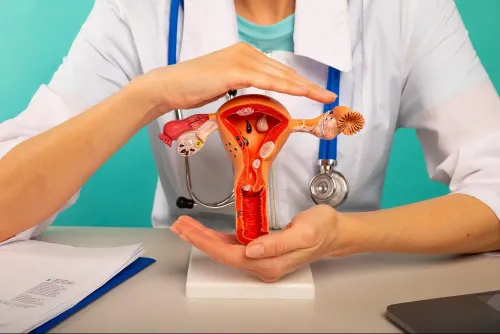
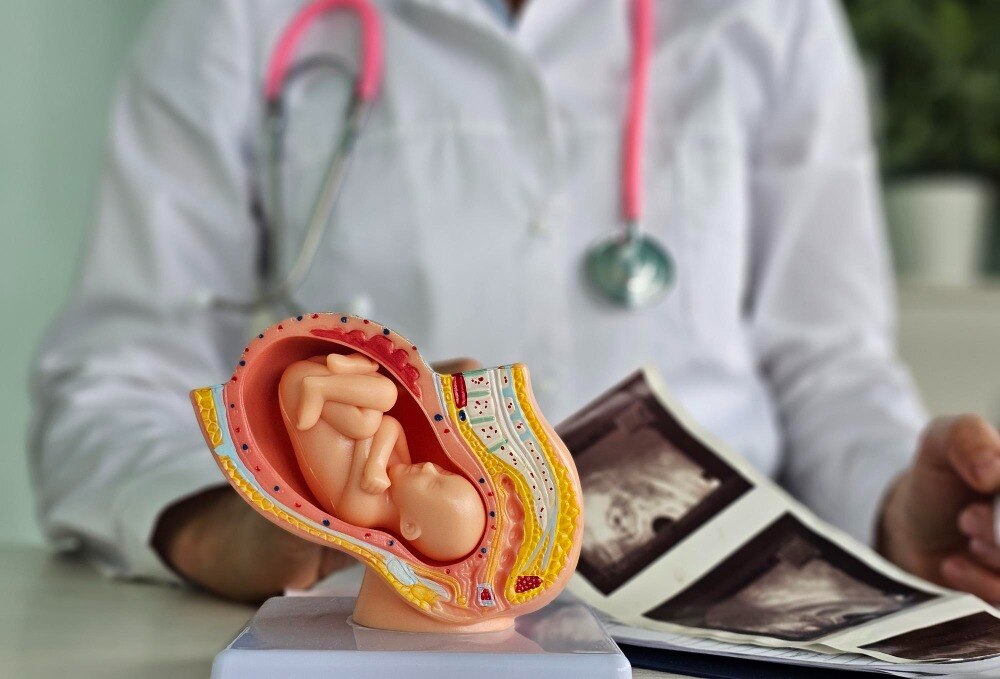
Persistent pelvic pain, unusual bleeding, discharge, itching, painful sex, urinary changes and breast or nipple changes deserve more than self-diagnosis. You will learn which symptoms need a routine gynaecology appointment, which require emergency care, what tests may be considered and how to prepare for a private, consent-based consultation.
Key takeaways
- Seek urgent care for severe pain, heavy bleeding, fainting, fever, or possible pregnancy complications.
- Book a consultation for persistent pelvic pain, unusual discharge, urinary symptoms, or breast changes.
- A normal test result does not end evaluation when symptoms continue or worsen.
- Your assessment may include an examination, urine test, swabs, ultrasound, or breast imaging.
Which symptoms need a gynaecology appointment, and which are emergencies?
Book a gynaecology appointment for persistent pelvic pain, abnormal vaginal bleeding, unusual vaginal discharge, vulval itching and irritation symptoms, painful sex, burning or urgency with urination, blood in urine, or new breast or nipple changes. Stable symptoms still need assessment if they persist.
Abnormal vaginal bleeding includes periods lasting more than seven days, heavy periods, intermenstrual bleeding, postcoital bleeding, and any postmenopausal bleeding, even once or as light spotting. A cervical screening result does not explain these symptoms.
| Situation | What to do | Why it matters |
|---|---|---|
| Persistent but stable pain, discharge, itching, urinary or breast symptoms | Arrange a gynaecology appointment | These symptoms need examination and targeted testing |
| Sudden severe or severe one-sided pain, fever, fainting, shoulder-tip pain, rectal pressure, or sudden worsening | Seek urgent assessment now | These signs can indicate serious pelvic disease or internal bleeding |
| Bleeding soaking a pad or tampon every hour for more than two consecutive hours, especially with dizziness, shortness of breath or chest pain | Go to emergency care | Rapid blood loss needs immediate treatment |
If pregnancy is possible, take a pregnancy test first, including when pain or bleeding is present. A positive test with either symptom is an emergency because an ectopic pregnancy can rupture; a negative home test does not reliably exclude a very early ectopic pregnancy.
A late period is not the same as amenorrhoea. One delayed cycle has several explanations, but repeated missed periods or long gaps need assessment.
Seek review for no first period by age 15, no menstruation three years after breast development, three months without periods in adults, or six months of widely spaced periods after pregnancy is excluded. Pills, injections, implants and hormonal intrauterine systems can suppress bleeding, but pregnancy still needs consideration.
Causes include thyroid disease, hyperprolactinaemia, medication effects, perimenopause and ovulatory disorders. Long gaps need a plan to protect the uterine lining, not only fertility treatment or reassurance.
What could be causing pain, discharge, urinary or breast symptoms, and which tests help?
Severe or progressively worsening period pain, pain between periods, or pain during sex can occur with endometriosis, adenomyosis, fibroids or another pelvic disorder. A normal pelvic examination or pelvic ultrasound does not rule out superficial endometriosis.
Fibroids are benign uterine-muscle growths; their location and size determine bleeding, anaemia, pressure, urinary or bowel symptoms, pain and fertility effects.
Colour or smell cannot diagnose discharge. Bacterial vaginosis, candidiasis, trichomoniasis, cervicitis and noninfectious irritation overlap, so avoid douching. Lower-abdominal pain with cervical, uterine or adnexal tenderness raises concern for pelvic inflammatory disease (PID), which needs prompt treatment to reduce tubal-factor infertility, ectopic pregnancy and chronic pelvic pain.
| Symptom pattern | Plausible concern | Tests that may help |
|---|---|---|
| Pain or heavy bleeding | Pregnancy, anaemia, fibroids or pelvic disorder | Urine pregnancy test, complete blood count, thyroid-stimulating hormone, prolactin, pelvic ultrasound |
| Discharge or pelvic tenderness | Infection, cervicitis or PID | Infection swabs or nucleic-acid testing, cervical assessment |
| Burning, urgency or frequency | Urinary infection, pelvic-floor problem or pelvic pressure | Urine testing and examination |
| Breast or nipple changes | Benign or serious breast condition | Breast examination and imaging |
The clinician asks about onset, severity, cycle timing, triggers, pregnancy possibility, sexual-health concerns and effects on work, sleep or sex. Bring cycle dates, bleeding duration, pad or tampon use, clot size, pain pattern, pregnancy-test results, reports and a medicine list; discuss pregnancy, fertility, operations, contraception, supplements and family history of endometriosis, fibroids or cancer.
Blood pressure may be checked.
A pelvic or abdominal examination is not required for every complaint. If indicated, the clinician explains its purpose and obtains consent; you can request a chaperone, pause or decline. Cervical screening is not a general test for pain, discharge or postcoital bleeding.
Thombare Hospital can provide this structured first assessment for patients in Panvel or Navi Mumbai.
Related services
PCOS (Polycystic Ovary Syndrome) treatment PCOS (Polycystic Ovary Syndrome) treatment At Thombare Hospital, Dr. Archana Thombare offers personalized care for Polycystic Ovary Syndrome (PCOS). View service → |
Amenorrhoea Treatment at Thombare Hospital by Dr. Archana Thombare focuses on identifying the root cause of missed or irregular periods. View service → |
When should you seek follow-up instead of accepting a normal result?
An endometrial thickness of 4 mm or less on transvaginal ultrasound has a greater than 99% negative predictive value for endometrial cancer in postmenopausal bleeding. It does not make persistent postmenopausal bleeding or recurrent spotting harmless; further evaluation often includes endometrial sampling.
A normal pelvic examination or normal pelvic ultrasound cannot exclude all endometriosis. Superficial disease may remain invisible, so treatment may combine symptom-directed medication, imaging and, in selected cases, laparoscopy rather than automatic surgery.
An incidental fibroid does not automatically require an operation. The decision depends on bleeding, anaemia, pressure, pain, fertility goals, location and size; observation, medication or a procedure may each be appropriate.
Fertility assessment belongs to both partners. Start after 12 months of regular unprotected intercourse when the female partner is under 35, after six months at age 35 or older, or sooner with irregular periods, suspected tubal or uterine disease, previous chemotherapy or another risk factor. Semen analysis is a key early test.
- Return for recurrent bleeding, worsening pain, persistent discharge, a new examination finding or symptoms that fail to improve under the agreed plan.
- Ask what the first test ruled out and what it could not detect. A normal result is a checkpoint, not always the end of investigation.
- Seek review even with current cervical screening when postcoital bleeding, persistent unusual discharge, pelvic pain or a visible cervical lesion continues.
Frequently asked questions
Which women’s health symptoms require a gynaecology appointment?
Arrange an appointment for persistent pelvic pain, abnormal bleeding, unusual discharge, vulval itching or irritation, painful sex, urinary burning or urgency, blood in urine, or new breast and nipple changes.
Which gynaecological symptoms are emergencies?
Seek urgent care for severe or rapidly worsening pain, heavy bleeding, fainting, high fever, or symptoms suggesting an ectopic pregnancy, such as one-sided pain with bleeding or dizziness.
What tests can help identify the cause of pelvic pain or discharge?
Depending on your symptoms, assessment may include a pelvic examination, urine test, vaginal or cervical swabs, pregnancy test, blood tests, or pelvic ultrasound.
When should you seek follow-up after a normal result?
Contact your clinician when symptoms persist, return, worsen, or change despite a normal result. Ask what the result ruled out and what the next step is.
Related services
CONTRACEPTION ADVICE At Thombare Hospital, we provide expert guidance and personalized care for all your contraception needs. With over 25 years of experience, Dr. View service → |
Fertility Counseling & Consultation Fertility Counseling & Consultation At Thombare Hospital, Dr. Archana Thombare provides compassionate fertility counseling and consultation to couples struggling with conception. View service → |
Menopause Treatment Menopause is a natural biological process that marks the end of a woman's menstrual cycles. View service → |
Pre Pregnancy Counselling at Thombare Hospital by Dr. Archana Thombare helps couples prepare for a healthy and safe pregnancy. View service → |