
Irregular menstrual cycles are often dismissed as a temporary hormonal imbalance, especially among young women. However, when periods continue to be unpredictable, excessively delayed, unusually heavy, or absent for several months, they may indicate an underlying health condition such as PCOS (Polycystic Ovary Syndrome). Early diagnosis and proper irregular periods treatment can help prevent long-term complications while improving overall reproductive health.
Many women tolerate irregular cycles for years because they assume the problem will resolve on its own. Although occasional changes in the menstrual cycle are normal due to stress or lifestyle changes, persistent irregularity deserves medical attention.
What Is PCOS?
PCOS is one of the most common hormonal disorders affecting women of reproductive age. It occurs when hormonal imbalance interferes with normal ovulation, causing irregular menstrual cycles and a variety of other symptoms.
Women with PCOS may experience different symptoms, and not everyone has the same presentation. Some notice changes in their periods, while others first become aware of the condition when they face difficulty conceiving.
Common Symptoms of PCOS
The symptoms can vary from mild to severe, but some of the most common include:
- Irregular or missed periods
- Very heavy menstrual bleeding
- Acne that persists beyond adolescence
- Unwanted facial or body hair growth
- Weight gain or difficulty losing weight
- Hair thinning on the scalp
- Dark patches of skin around the neck or underarms
- Difficulty becoming pregnant due to irregular ovulation
Experiencing one or more of these symptoms does not necessarily confirm PCOS, but they should prompt a consultation with a gynecologist.
Why Do Irregular Periods Happen?
Irregular periods are not always caused by PCOS. Several factors can affect the menstrual cycle, including:
- Hormonal imbalance
- Thyroid disorders
- Excessive stress
- Significant weight changes
- Certain medications
- Excessive exercise
- Perimenopause
- Ovarian disorders
Because multiple conditions share similar symptoms, proper medical evaluation is important before beginning treatment.
How Is PCOS Diagnosed?
Diagnosis usually involves a combination of medical history, physical examination, and diagnostic investigations.
A gynecologist may recommend:
- Detailed menstrual history
- Pelvic examination
- Hormonal blood tests
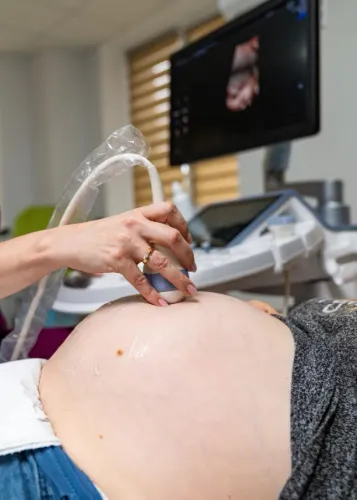
- Sonography to assess the ovaries
- Blood sugar assessment
- Additional laboratory investigations when required
These evaluations help determine whether PCOS or another condition is responsible for the menstrual irregularity.
Treatment Depends on Individual Needs
There is no single treatment that works for every woman with PCOS. Management depends on age, symptoms, future pregnancy plans, and overall health.
Treatment may include:
- Lifestyle modifications
- Weight management strategies
- Hormonal medications to regulate menstrual cycles
- Medicines that promote ovulation for women planning pregnancy
- Treatment for acne or excessive hair growth
- Regular monitoring of metabolic health
Women trying to conceive often require a different treatment approach than those primarily seeking menstrual regulation.
Lifestyle Changes Can Make a Significant Difference
Healthy daily habits play an important role in managing PCOS and improving menstrual regularity.
Doctors often recommend:
- Eating a balanced diet rich in whole foods
- Limiting highly processed and sugary foods
- Engaging in regular physical activity
- Maintaining a healthy weight
- Sleeping adequately
- Managing stress through relaxation techniques
Even modest lifestyle improvements may positively influence hormonal balance and menstrual health.
Why Early Treatment Matters
Ignoring irregular periods can sometimes increase the risk of future health concerns, including:
- Fertility challenges
- Type 2 diabetes
- High blood pressure
- High cholesterol
- Endometrial abnormalities
- Emotional stress and anxiety
Early diagnosis allows healthcare providers to manage symptoms effectively while reducing the likelihood of complications later in life.
Choosing the Right Women's Healthcare Provider
Managing PCOS requires ongoing care rather than a one-time consultation. Choosing a healthcare provider with expertise in gynecology, fertility, hormonal disorders, diagnostic imaging, and laboratory services can simplify long-term treatment.
Women from Kalamboli and nearby Navi Mumbai often prefer hospitals where consultation, sonography, laboratory investigations, fertility guidance, and women's healthcare services are available under one roof for better continuity of care.
Thombare Hospital offers comprehensive care for PCOS and IRREGULAR PERIODS TREATMENT, combining detailed clinical evaluation, advanced diagnostics, personalized treatment plans, fertility counseling when required, and long-term follow-up. The hospital's multidisciplinary approach helps women manage hormonal disorders while supporting their reproductive and overall health.
Irregular periods should never be ignored simply because they are common. Whether the cause is PCOS or another underlying condition, timely medical evaluation provides clarity, effective treatment options, and the opportunity to protect long-term reproductive health.
Keywords