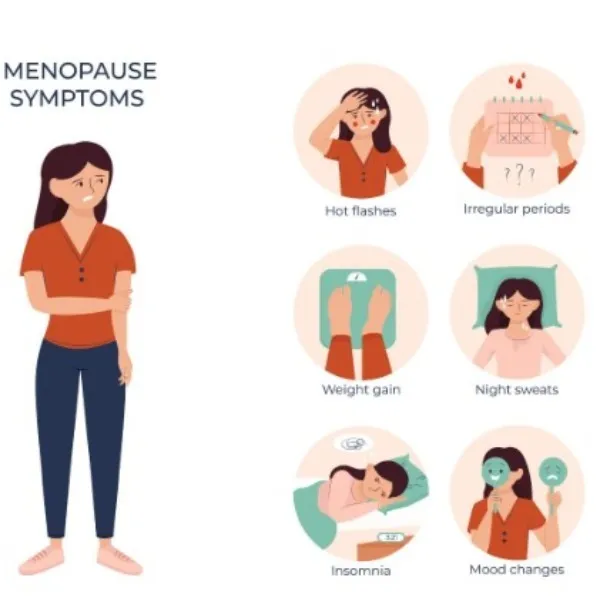
Menopause is a natural stage in a woman's life, but the physical and emotional changes that accompany it can affect daily comfort, confidence, and overall health. Many women assume these symptoms simply have to be endured, yet the right medical guidance can make this transition much easier. Visiting a Menopause Clinic allows women to receive personalized care, symptom management, and preventive health advice tailored to their changing needs.
Every woman experiences menopause differently. Some have mild symptoms that gradually settle, while others face challenges that significantly impact their quality of life. Understanding what to expect and seeking timely medical support can help women maintain their health well beyond menopause.
What Is Menopause?
Menopause marks the permanent end of menstrual cycles due to the natural decline in ovarian hormone production. It is typically confirmed after a woman has gone 12 consecutive months without a menstrual period.
Most women experience menopause between the ages of 45 and 55, although the exact age varies from person to person.
Before menopause, many women go through perimenopause, a transitional phase during which hormone levels fluctuate and symptoms begin to appear.
Common Symptoms of Menopause
Hormonal changes can affect different parts of the body.
Frequently reported symptoms include:
- Hot flashes
- Night sweats
- Irregular menstrual cycles
- Mood swings
- Sleep disturbances
- Vaginal dryness
- Reduced libido
- Fatigue
- Joint discomfort
- Difficulty concentrating
Not every woman experiences all of these symptoms, and their severity can differ considerably.
Why Visit a Menopause Clinic?
A menopause clinic focuses on helping women manage physical, hormonal, and emotional changes while reducing the risk of long-term health problems.
A consultation may include:
- Detailed medical evaluation
- Hormonal assessment when required
- Lifestyle counseling
- Bone health advice
- Cardiovascular risk assessment
- Screening recommendations
- Individualized treatment planning
This comprehensive approach helps women transition through menopause with greater confidence.
Long-Term Health After Menopause
Declining estrogen levels can increase the risk of certain health conditions over time.
These may include:
- Osteoporosis
- Heart disease
- Weight gain
- Diabetes
- High cholesterol
- Urinary concerns
Regular health checkups help identify these risks early and allow appropriate preventive measures to be taken.
Lifestyle Habits That Support Healthy Menopause
Daily habits can make a meaningful difference in managing symptoms.
Doctors often recommend:
- Eating calcium-rich foods
- Including adequate protein in the diet
- Staying physically active
- Maintaining a healthy weight
- Practicing stress management
- Getting sufficient sleep
- Avoiding smoking
- Limiting alcohol consumption
These measures support bone strength, heart health, and overall well-being during midlife.
When Should You Seek Medical Advice?
Some symptoms should not be ignored simply because they occur around menopause.
Schedule a medical consultation if you experience:
- Very heavy bleeding
- Bleeding after menopause
- Severe pelvic pain
- Persistent sleep problems
- Frequent hot flashes affecting daily life
- Unexplained weight loss
- Ongoing urinary symptoms
- Significant mood changes
A proper evaluation helps rule out other medical conditions and ensures appropriate treatment.
What Treatments May Be Recommended?
Treatment depends on the individual's symptoms, medical history, and overall health.
Possible management options include:
- Lifestyle modification
- Nutritional guidance
- Hormonal therapy when appropriate
- Non-hormonal medications
- Bone health management
- Regular health screenings
- Counseling and follow-up care
A personalized plan is always more effective than relying on generalized advice.
Choosing the Right Healthcare Provider
Managing menopause often requires ongoing support rather than a single consultation. Hospitals that offer gynecology, laboratory investigations, sonography, and general medical care in one place provide a more convenient experience for patients.
Women from Karjat and nearby Maharashtra frequently choose healthcare providers that offer comprehensive women's health services throughout every stage of life, including menopause management and preventive care.
Thombare Hospital offers a dedicated MENOPAUSE CLINIC where women receive individualized assessments, guidance for symptom management, preventive health screening, and long-term wellness support. With access to experienced gynecologists and integrated diagnostic services, patients can receive complete care tailored to their specific health needs.
Menopause is not the end of good health—it is the beginning of a new phase that deserves attention and care. With timely medical guidance, healthy lifestyle choices, and regular health monitoring, women can continue to lead active, healthy, and fulfilling lives during and after menopause.
Keywords