
Pregnancy involves continuous changes in both maternal health and fetal development. Good maternity care is therefore not limited to the day of delivery. It begins early in pregnancy and continues through antenatal monitoring, birth planning, delivery, and postnatal recovery.
For expectant mothers in New Panvel, Maharashtra, understanding what comprehensive maternity care involves can help them participate more confidently in decisions throughout pregnancy.
What Does Maternity Care Include?
Maternity care generally combines regular medical consultations with investigations and pregnancy-specific guidance. The exact schedule varies according to the stage of pregnancy and whether additional risk factors are present.
Care commonly includes:
- Confirmation and dating of pregnancy
- Maternal health assessment
- Blood pressure monitoring
- Weight monitoring
- Recommended blood and urine investigations
- Fetal growth assessment
- Appropriate pregnancy scans
- Nutritional guidance
- Review of medicines and supplements
- Preparation for delivery
- Postnatal monitoring
Pregnancy care should always be individualized because two women at the same stage of pregnancy may have very different medical requirements.
Why Early Pregnancy Assessment Is Important
An early consultation helps establish important baseline information. The doctor can review previous pregnancies, miscarriages, surgeries, medical conditions, current medications, family history, and other factors relevant to pregnancy.
Early evaluation may also help identify conditions requiring closer observation, including hypertension, diabetes, thyroid disorders, anaemia, or previous pregnancy complications.
Antenatal investigations are then planned according to clinical needs and the stage of pregnancy.
Monitoring the Baby’s Development
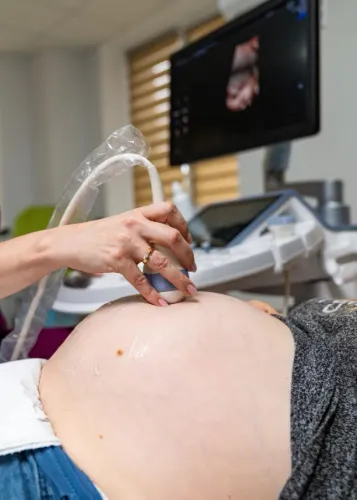
Pregnancy monitoring allows healthcare professionals to assess fetal growth and development over time. Sonography may be recommended at specific stages for particular clinical purposes.
A scan should always be interpreted together with the overall pregnancy assessment. Ultrasound findings, maternal symptoms, clinical examination, and other investigations collectively help the obstetrician understand how the pregnancy is progressing.
Recognising Symptoms That Need Medical Attention
Many changes during pregnancy are expected, but certain symptoms deserve prompt medical evaluation. These can include significant vaginal bleeding, severe abdominal pain, persistent vomiting with inability to maintain fluids, severe headache, visual disturbances, sudden swelling, fluid leakage, fever, or noticeable changes in fetal movement later in pregnancy.
Patients should follow the advice given by their obstetrician regarding when to seek urgent assessment because recommendations can vary according to gestational age and individual circumstances.
Preparing for Delivery
As pregnancy progresses, discussions gradually shift toward childbirth. Birth planning may consider the baby’s position, placental location, maternal health, fetal wellbeing, previous delivery history, and other clinical factors.
Rather than focusing solely on a preferred method of delivery, families benefit from understanding why recommendations can change as pregnancy progresses.
Thombare Hospital provides maternity-related services within its women’s healthcare setting. For families seeking pregnancy care, continuity from antenatal consultations through later pregnancy can help maintain organised medical records and clearer communication.
Good maternity care is ultimately about careful monitoring, timely recognition of concerns, informed decision-making, and support throughout the pregnancy journey. Starting care early and attending recommended appointments gives the healthcare team the information needed to respond appropriately as pregnancy develops.
Keywords