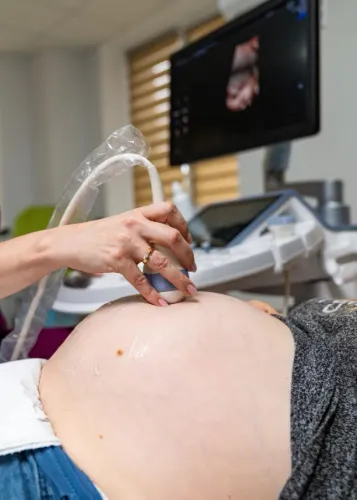

Choosing a hospital for women's healthcare is about much more than finding the nearest medical facility. From adolescence and pregnancy to fertility treatment and menopause, women often require care from different specialists at different stages of life. Selecting a hospital that offers comprehensive services under one roof can make healthcare more convenient, coordinated, and effective.
Many patients visit separate clinics for consultations, diagnostic tests, sonography, laboratory investigations, and follow-up appointments. While this may work for routine care, managing complex or long-term health concerns becomes much easier when all essential services are available in a single healthcare center.
Why Comprehensive Women's Healthcare Matters
Women's health needs change throughout life. A teenager experiencing irregular periods has different concerns from a woman planning pregnancy or someone managing menopause.
A well-equipped women's healthcare hospital can provide support for:
- Routine gynecological consultations
- Pregnancy planning
- Antenatal care
- Fertility evaluation
- Family planning
- Government-approved MTP services where medically and legally applicable
- Menopause management
- General medical care
- Preventive health screening
- Diagnostic imaging and laboratory investigations
Having access to multiple specialties in one location allows doctors to coordinate care more efficiently.
Features to Look for in a Women's Healthcare Hospital
Choosing the right hospital involves evaluating both medical expertise and available facilities.
Some important features include:
Experienced Specialists
Look for hospitals with qualified gynecologists, obstetricians, physicians, and other specialists who work together to provide patient-centered care.
Modern Diagnostic Support
Timely diagnosis depends on access to quality diagnostic services such as:
- Sonography
- Blood investigations
- Hormonal testing
- Pregnancy-related investigations
- Preventive health screening
On-site diagnostics reduce delays and improve treatment planning.
Personalized Treatment Plans
Every patient has unique healthcare needs. The best hospitals recommend treatments based on medical history, age, symptoms, future family planning goals, and overall health rather than following a standard approach.
Emergency Care Availability
Pregnancy complications, severe abdominal pain, excessive bleeding, or other urgent medical conditions require prompt attention. Hospitals with emergency medical support provide added reassurance for patients and their families.
Why Continuity of Care Is Important
Women often require ongoing follow-up rather than a single consultation.
For example:
- Pregnancy involves regular antenatal visits.
- PCOS requires long-term hormonal management.
- Fertility treatment includes multiple stages of evaluation.
- Menopause benefits from periodic health assessments.
- Chronic medical conditions need regular monitoring.
Receiving care from the same healthcare team improves communication, treatment consistency, and overall patient experience.
Questions to Ask Before Choosing a Hospital
Before selecting a healthcare provider, consider asking:
- Are specialist consultations easily available?
- Does the hospital provide maternity and gynecology services?
- Are laboratory investigations performed on-site?
- Is sonography available when needed?
- Can fertility evaluations be completed at the same facility?
- Does the hospital provide preventive health screening?
- Are follow-up appointments easy to schedule?
The answers to these questions can help you choose a hospital that supports your long-term healthcare needs.
Benefits of Early Preventive Care
Preventive healthcare helps identify medical conditions before symptoms become severe.
Regular health evaluations may help detect:
- Hormonal disorders
- Anemia
- Diabetes
- Thyroid disease
- High blood pressure
- Cervical abnormalities
- Pregnancy-related complications
- Reproductive health concerns
Early diagnosis often leads to simpler treatment and better long-term outcomes.
A Patient-Centered Approach Makes a Difference
Beyond medical expertise, a good hospital creates an environment where patients feel comfortable discussing personal health concerns.
Clear communication, respectful care, proper counseling, and sufficient time for consultation encourage patients to participate actively in their healthcare decisions. This is particularly important for sensitive areas such as fertility treatment, pregnancy care, menopause, and reproductive health.
Choosing the Right Healthcare Partner
Families from Adai and nearby Navi Mumbai often look for hospitals that provide complete women's healthcare without requiring visits to multiple locations. Access to gynecology, maternity care, fertility services, general medicine, sonography, laboratory investigations, and preventive healthcare within a single facility makes diagnosis, treatment, and follow-up significantly more convenient.
Thombare Hospital offers comprehensive women's healthcare services designed to support patients through every stage of life. From gynecology consultations and maternity care to fertility evaluation, antenatal care, family planning, menopause management, sonography, laboratory investigations, and general medicine, the hospital provides coordinated care under one roof. This integrated approach enables patients to receive timely diagnosis, personalized treatment, and continuous medical support from experienced healthcare professionals.
Choosing a healthcare hospital is an investment in your long-term well-being. A facility that combines experienced medical professionals, advanced diagnostics, personalized treatment, and comprehensive women's health services can provide the continuity of care needed for healthier outcomes and greater peace of mind.
Keywords